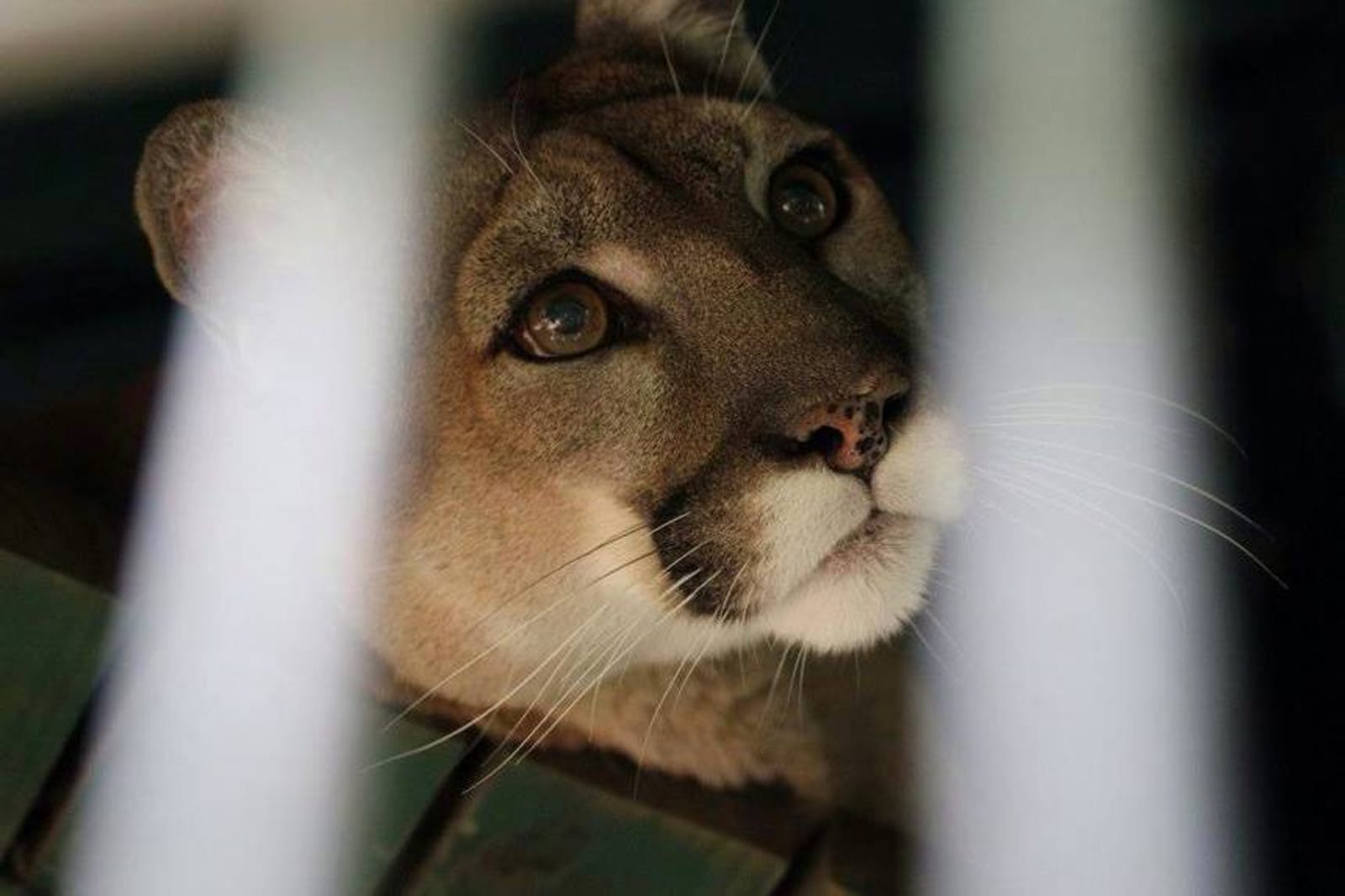
An interesting subset of pet ownership is the act of owning large felids, or in simpler terms, wild big cats.
Exotic felids have a long tradition in human care. The ancient Egyptians kept servals[1] in the same role as the African wildcat (the wild ancestor of modern house cats). Cheetahs have also been kept throughout the world, both as companions and as hunting aides. Caracals have also been tamed and trained, primarily by Arabian and Asian rulers. Other large cats sometimes were also kept as companions, but were mostly limited to menageries owned by royal families. Large cats have been kept as pets for hundreds of years.
People can keep big cats because either it’s cool, they make great pest control, or because they enjoy their companionship.
Only 6 out of the 50 states do not ban or regulate the ownership of big cats, Alabama, Nevada, North Carolina, Oklahoma, Wisconsin, and Delaware are often cited as the six states with the fewest restrictions, essentially allowing broad big cat ownership.
The Big Cat Public Safety Act (BCPSA) is a U.S. federal law, enacted in December 2022, that bans the private possession, breeding, and sale of big cats (lions, tigers, leopards, etc.), restricts public contact, and requires registration for existing, legally owned animals, aiming to improve public safety and big cat welfare by curbing the exotic pet trade and cub petting. It closes loopholes from inconsistent state laws, mandates registration for pre-Act owners with the U.S. Fish & Wildlife Service (FWS), and stops new acquisitions, with exemptions for accredited zoos, sanctuaries, and research.
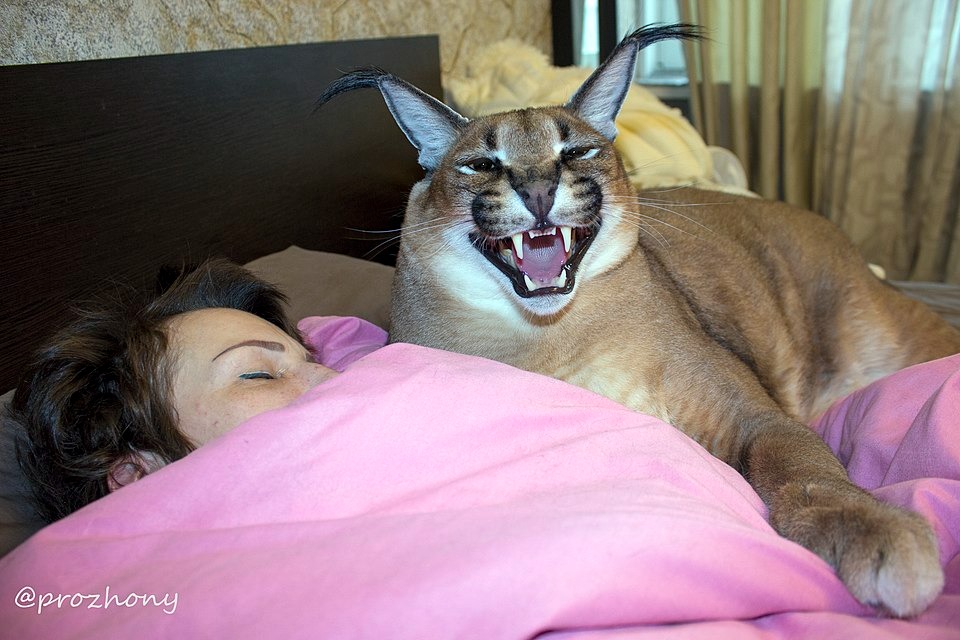
The most popular big cats to own as pets would be a tie between the Caracal and Serval, as they’re quite similar to normal housecats in nature, and can hybridize with them.
Another popular pick is the Puma/Cougar/Mountain Lion, they’re the biggest you can get without going for a Lion, https://www.youtube.com/watch?v=qXpsbDA5nUQ
Owning an actual full grown tiger and/or lion, this is the most ridiculous option, considering how fierce and big they are, but it can work out in some circumstances. With lions, due to them being highly sociable animals, they can form a bond with their own and accept them as part of their pride.
Owning a big cat can be a massive risk, with concerns such as death and injuries being a factor, which is why only 6 states allow ownership of them. Wild cats usually cannot be kept indoors and require a large outdoor enclosure. This blurs the distinction between a wild cat being kept as an exotic pet and a private animal collection or menagerie. Usually, an enclosure meant for a pet exotic cat is built adjacent to the house in order to give the animal access into the living quarters.
If you are up to the task, owning a big cat can be an interesting experience, and can make for a fascinating thing to tell your peers…but make sure to check out all local regulations and consider the hefty cost. Proper enclosures and permits will be well over $100,000, and annual upkeep is estimated around $10,000 for food and veterinary care. So if you want a big cat, start saving now.