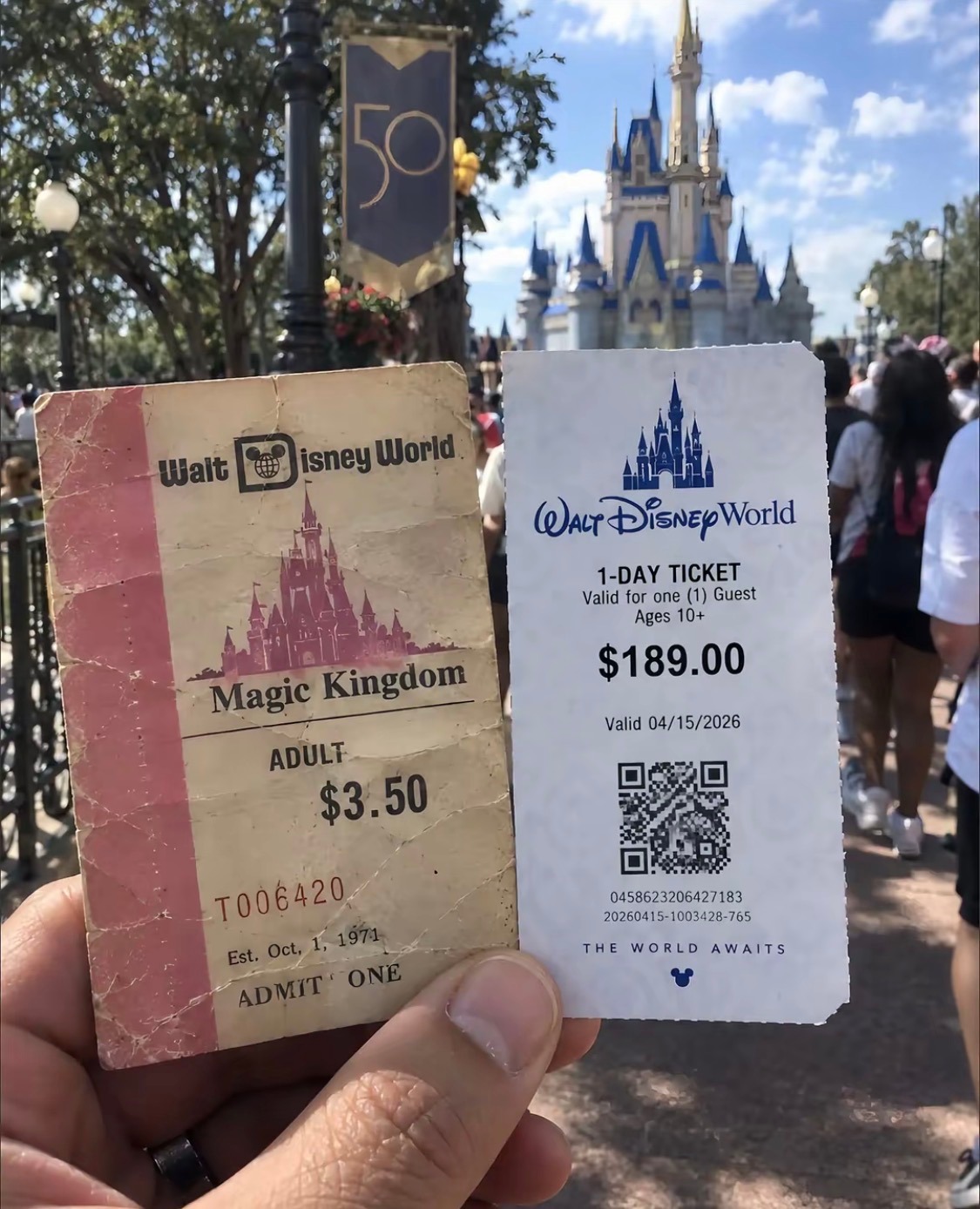
Did you know that Disneyland was once very different from the park we know today? It had different prices, different rides, and a different feel. A one-day ticket can now cost $180 or $190 depending on the day you go, but when the park opened in 1955, admission was only $1 for adults. Even parking was just 50 cents! In this article, you will learn the history of Disneyland, including how it got started, why it was built in Anaheim, and a few of its legends. You will also learn whether it is worth the hype and the money that so many people spend there every day.
The Idea for Disney
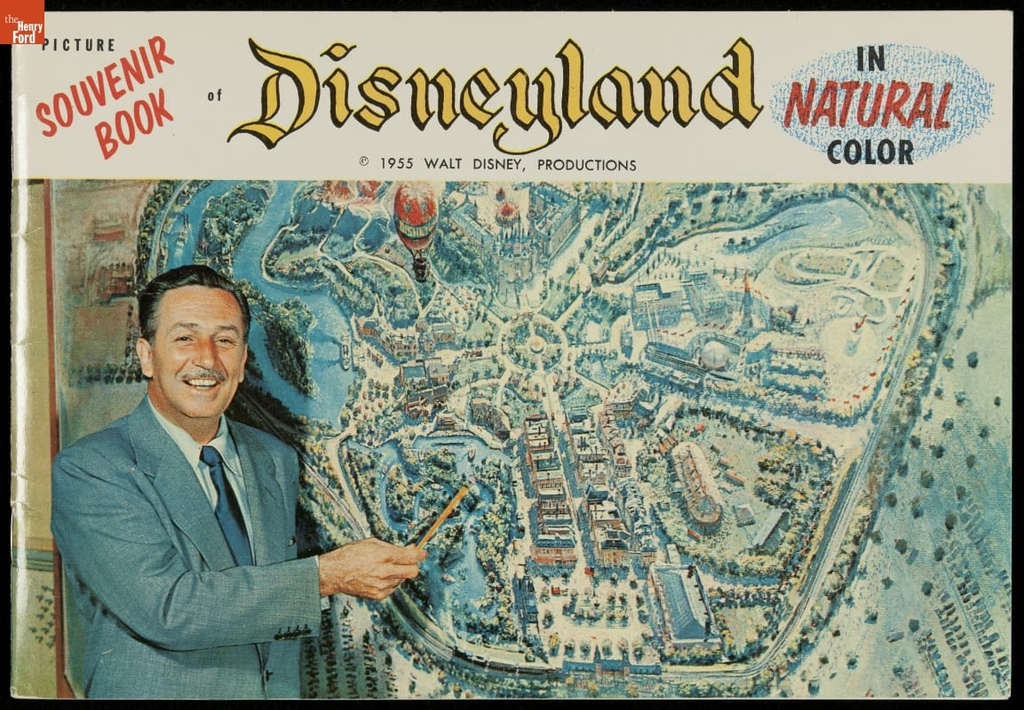
Walt Disney formalized the idea for Disneyland in a detailed memo on August 31, 1948, originally calling it “Mickey Mouse Park.” The idea was inspired by his childhood memories of Marceline, Missouri, and of Electric Park in Kansas City. Walt wanted to create a safe, clean, and imaginative place where parents and children could have fun together. At the time, amusement parks were slowly gaining popularity, and that growth sped up after World War II, when many families wanted to reconnect and rebuild their lives. Walt was already a famous animator who helped create Mickey Mouse, and he had produced the first full-length animated feature film, Snow White and the Seven Dwarfs.
Walt chose Anaheim, California, for several reasons. He needed as much land as he could get, and Anaheim offered 160 acres of affordable land. The newly built Santa Ana Freeway also put Los Angeles only a 45-minute drive away, which would bring in more and more visitors. Construction began in July 1954, and workers felt everything from excitement to intense pressure to exhaustion. They had only a year and a day to finish every ride, paint every building, and complete all the construction. The park cost roughly $17 million to build in 1955, which is about $160 million in today’s money.
The Park Opens
Disneyland opened on July 17, 1955, but the day did not go as planned. Walt wanted a private, invitation-only event so that everything would go smoothly, and he invited about 15,000 guests. The result was the opposite. Many more people showed up, some with counterfeit tickets, and the park was massively overcrowded. A heat wave pushed temperatures past 100 degrees and melted the fresh asphalt. On top of that, the plumbers working on the park went on strike over wages and working conditions, which forced Walt to choose between finishing the drinking fountains or the restrooms. He chose the restrooms, and some guests believed he had done it on purpose so that he could sell more sodas. Because of these problems and many others, people later called the day “Black Sunday.”
Original Rides
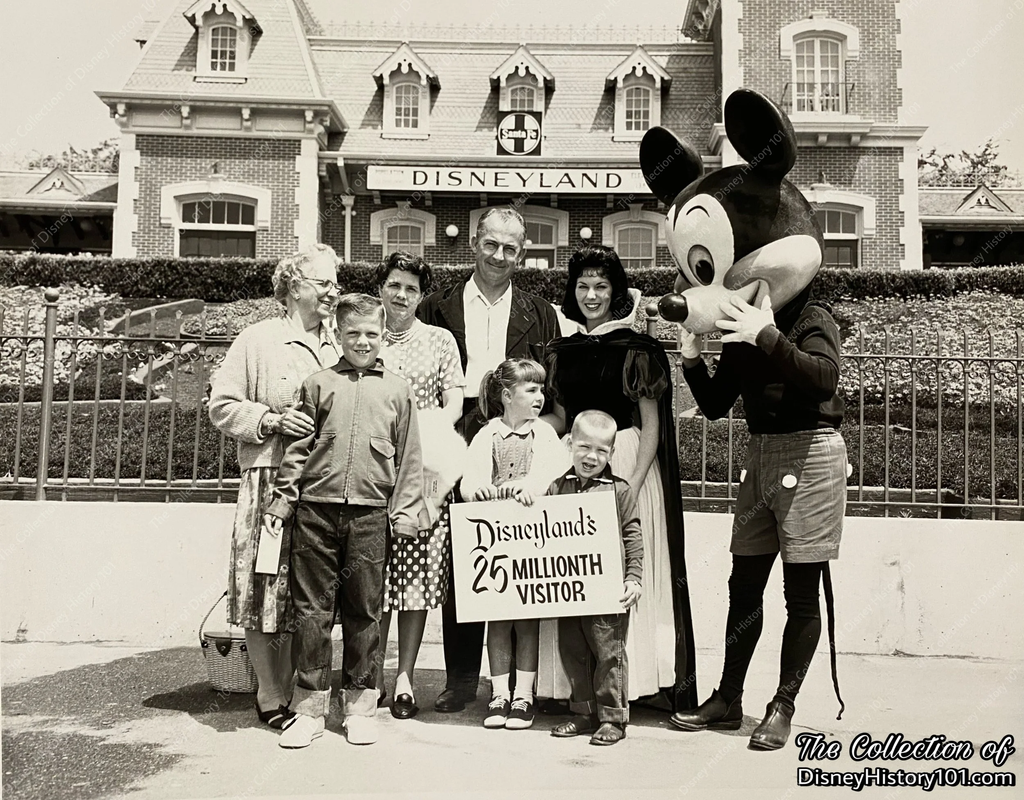
Some of the original rides are still open today, such as the Disneyland Railroad, Snow White’s Scary Adventures (now called Snow White’s Enchanted Wish), and Dumbo the Flying Elephant. The park has changed a great deal since 1955. First, the price: on opening day, admission was only $1 for adults and 50 cents for children, which is striking when a one-day ticket now costs well over $150 before food, drinks, or souvenirs. Second, the size: Disneyland has grown into the Disneyland Resort, which includes Disney California Adventure, a Downtown District, and resort hotels. Finally, the number of attractions has grown. The park opened with only 18 major attractions, but it now has more than 60 rides, shows, and entertainment experiences.
Disneyland Grows
As the years passed, Disneyland continued to grow, adding new attractions, restaurants, and entertainment for everybody. In 1959, the park introduced the E-ticket system, which was designed to get guests to buy more tickets. Instead of one general admission ticket, rides were split into categories A through E. Category A was for small attractions such as the Main Street Horse Cars, and Category B was for slightly more intense rides. Category E was reserved for the biggest attractions, such as the Submarine Voyage.
Legends, Myths, and Stories
Some people believe that Walt Disney’s body is frozen and hidden somewhere in Disneyland, but this is not true. The rumor began shortly after his death, when a tabloid claimed that a reporter had snuck into the hospital and seen Walt inside a cryogenic chamber. In reality, Walt died in 1966 of lung cancer, was cremated two days later, and his ashes were placed at Forest Lawn Memorial Park in Glendale, California. Here is one strange but true fact: Walt banned the sale of chewing gum in the park to prevent messes on the sidewalks and rides, and you still cannot buy gum at Disneyland today. Some say there are real skeletons from a medical school in the Pirates of the Caribbean ride, and Imagineers and cast members have repeated this rumor for decades, but this has not been verified.
Other fun and true facts: Walt Disney had a small apartment above the Main Street Fire Station, and a lamp in the window is kept lit in his honor. There is a secret, members-only club called Club 33 in New Orleans Square with a long waitlist and an expensive dining menu. Walt Disney planned it as a place to entertain VIP guests, but he died before it opened. There is also real basketball court in the Matterhorn ride used by cast members.
The Future of Disney
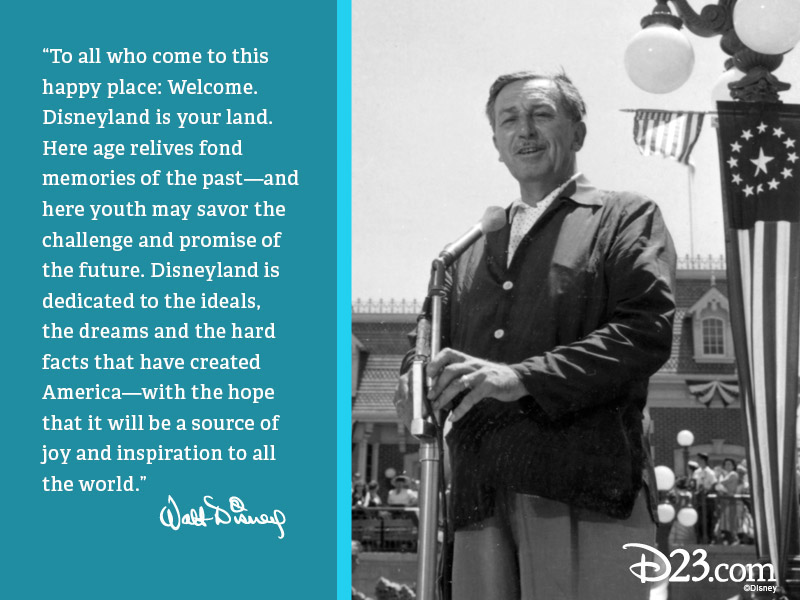
Although many things have changed, it is still the family-friendly park that everybody loves. Each year, millions of visitors come with their families, make new memories, and try new rides. Walt Disney once said that “Disneyland will never be completed. It will continue to grow as long as there is imagination left in the world.”


