
Prologue
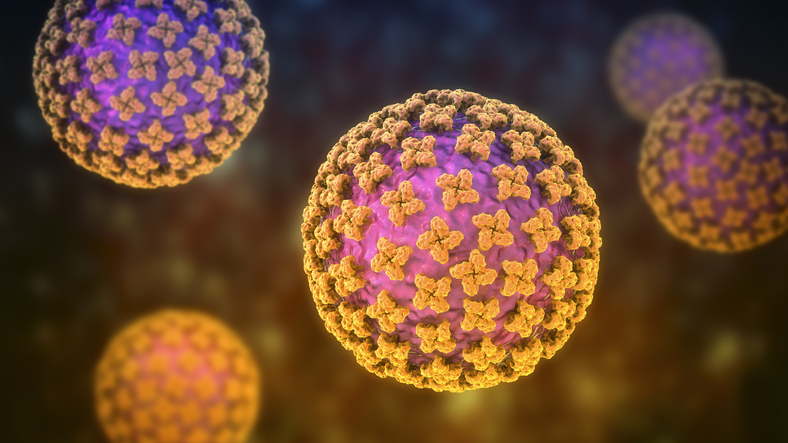
Hantavirus is the collection of rare, highly fatal diseases transmitted by rats. Primarily airborne and contracted by inhaling dust contaminated with rat feces, urine, or other droppings. Once infected, you get symptoms of a common flu, however slowly, your lungs and kidneys shut down. The rare strain of Hantavirus, “Andes” is a strain that is known to spread from human to human.
Current Outbreak Timeline
April 1st, 2026: A Dutch couple traveled through Argentina, Chile, and Uruguay for extensive bird watching aboard the MV Hondius. Within these trips were sites in which the couple was exposed to a species of rat known to carry the Hantavirus. It is later discovered that this couple was exposed to the rarer and more dangerous strain, the Andes strain, which is able to be transmitted between humans through contact.
April 6th, 2026: The 70-year-old husband becomes sick with flu-like symptoms.
April 11th, 2026: The Dutch man develops respiratory failure and later dies. The cause of death was unknown at the time. His body is kept on the ship.
April 24th, 2026: The man’s body is taken off the ship at St. Helena. His wife also disembarks and later boards a flight to South Africa.
April 25th, 2026: The man’s wife boards a plane with 88 other people. She carries symptoms of a common flu. Those around her are not aware she is in fact carrying a rare and highly deadly strain of Hantavirus.
April 26th, 2026: The Dutch woman collapses while trying to board the next plane. She dies shortly after.
April 27th, 2026: A third passenger on the cruise fall sick. He is moved to South Africa, into a intensive care unit. Many passengers on board start to worry about what is happening.
May 2nd, 2026: A German woman on board the cruise dies after falling ill with the same disease. She becomes the third death onboard. Later that day, South African Health Officials receive a positive from the tests for Hantavirus performed on the third passenger who fell sick.
May 3rd, 2026: The World Health Organization (WHO) announces that it’s currently looking into a suspected Hantavirus outbreak.
May 4th, 2026: WHO receives a positive Hantavirus test on the Dutch woman was found dead.
May 6th: Authorities start to make announcements about the infections and deaths. Agencies scramble on the case, and some news outlets call this the next Covid-19. Social Media blows up the story.
Outcome
With the massive amount of publicity behind the Hantavirus, and the PTSD from the 2021 Pandemic with Covid-19, many people are worried about this being the next pandemic. However, many scientists agree that this just simply isn’t one of those diseases, and many new stations are irresponsibly bloating the news of this story just for the sake of newsworthiness.
Doctors on social media report that while this is much more deadly, its spread rate is significantly lower than most diseases. Measured in R-naught, which is the average amount of people someone will infect after getting said disease, early strains of Covid reportedly had 2-3, mutations caused this number to skyrocket to 8+. Hantavirus’s Andes strain R-naught is commonly referred to as 1, even as the most spreadable of the disease.
So even though people might be cautious and worried after the Covid-19 lockdowns and chaos, it seems to be the general consensus of the scientific community that this Hantavirus is NOT the next global pandemic. However, there are lessons to be learned from the problems aboard the cruise ship and the contact tracing of the individuals after they became infected and started to show symptoms.