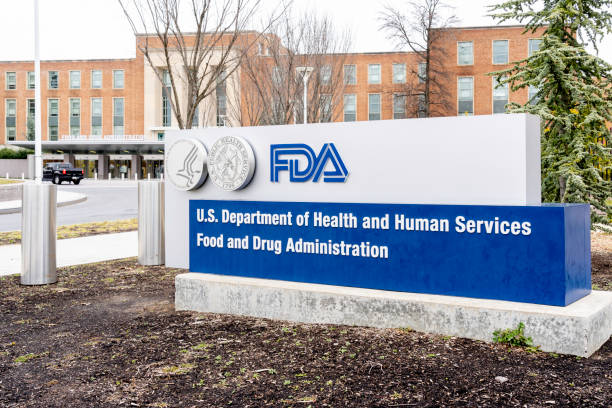
In recent years, the market for weight loss and wellness products has exploded, fueled by the craze and popularity of Ozempic and Wegovy. These brands have promised weightless without diet of food, essentially helping everyday people lose weight at an astonishing rate. As social media hype spread, some companies began selling compounded or copycat versions without FDA approval, leading to confusion about what’s legitimate and what’s not. This has led to concerns such as safety, misled marketing, etc.
To combat this problem, on September 9th, the FDA started what can only be called “the crackdown” with new rules being put in place. Many of these new rules affected large companies, with many unauthorized drugs becoming the centerpiece for these new rules. Companies like Novartis, Novo Nordisk, Eli Lilly, AbbVie, AstraZeneca, and Takeda^1 all have been heavily impacted by these new regulations. Each of these companies have or are selling unauthorized diet drugs, essentially sold to try to help people lose weight. Some of these drugs are untested and could have serious side effects, including death, if the wrong people take them. An investigation by the U.S. Centers for Disease Control and Prevention revealed that a widely used blood thinner, heparin, had been contaminated with a toxic industrial chemical, leading many to hospitalization or death.^2
Additionally, another part of the government’s crackdown was on misleading unauthorized drug advertising. Online retailers have been caught illegally selling GLP-1 active ingredients directly to consumers under false pretenses, claiming they are “for research purposes only” or “not for human consumption” despite actively targeting consumers for weight loss. ^3
So, what could this mean for us students? Students at CMHS and teenagers are some targets for misleading ads from companies selling unapproved medications. With the rise of social media marketing, teenagers are constantly exposed to ads promising “quick fixes” for weight loss. While these promotions often appear trustworthy and are from well known creators, they may advertise unapproved or unsafe products. A key takeaway is to always research and verify any product before using it (especially medicine) – your health and safety could depend on it.
^1 : https://portal.ct.gov/ag/press-releases/2025-press-releases/attorney-general-tong-sues-glp-1-weight-loss-drug-distributor-triggered-brand#:~:text=Letter%20to%20Connecticut%20Weight%20Loss,to%20$5%2C000%20for%20each%20violation.
^2: https://www.pew.org/-/media/legacy/uploadedfiles/phg/content_level_pages/issue_briefs/casestudyunsafedrugsv2pdf.pdf
^3
https://medicine.yale.edu/news-article/new-study-finds-online-advertising-for-compounded-diabetes-and-weight-loss-drugs-may-mislead-consumers/