With college application season here, a lot of CMHS students are starting to think about what they want to do after high school. Some students already know where they want to go, while others are still trying to figure it out. There are also students considering options besides a four-year college.
I talked to Mrs. Karli Tsuge, Mr. Edgardo Aguilar, Mrs. Jaclyn Gonzalez, and Mrs. Janice Duzey to find out what advice they would give CMHS students who are preparing for college and life after high school.
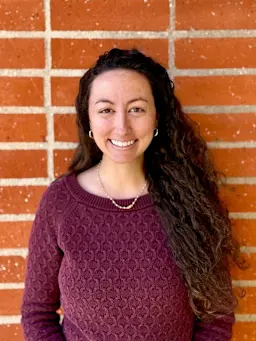
Mrs. Karli Tsuge: Do What is Right For You
Mrs. Tsuge said that one of the most important things students can do is make choices based on themselves instead of worrying about what everyone else is doing.
“My biggest advice is to stay true to you,” Tsuge said. She explained that students should look for a college, program, or job that actually fits them. Just because a school is popular or other students are applying there does not mean it is automatically the right choice.
Tsuge also pointed out that going to a four-year college is not the only option. Students can go to a UC or Cal State, attend a school outside of California, join the military, go into an apprenticeship, or start working after graduation. “Whatever you choose, whatever you do, make the choice that makes the most sense to YOU!” Tsuge said.
Another thing Tsuge recommended was talking to people who can help students learn more about different careers. This could include teachers, counselors, coaches, family members, or even someone who already works in a career a student is interested in.
She also encouraged students to take classes such as ROP and Dual Enrollment.
“Use high school as the space to try and explore and discover something you enjoy,” Tsuge said.
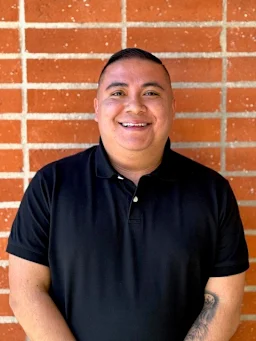
Mr. Edgardo Aguilar: Figure Out What Interests You
Mr. Aguilar said students should spend time figuring out what they actually enjoy before deciding what they want to study.
“My recommendation would be for students to take a deep dive at what they enjoy,” Aguilar said.
From there, students can look into careers and college majors that connect with their interests. Aguilar recommended that juniors start researching what different careers require and what schools offer the programs they are interested in. Also suggesting using CCGI, or the California College Guidance Initiative, to research different career and college options. Students can also meet with their counselors if they are unsure about what steps to take.
For seniors, Mr. Aguilar recommended narrowing their college choices down to around five schools. He also suggested setting up college application accounts, looking for scholarships, and attending the district’s College and Career Fair.
Visiting colleges in person can also help students decide if they actually like the school.
“If possible, go on college visits so they can see if the school is somewhere they see themselves attending,” Aguilar said.
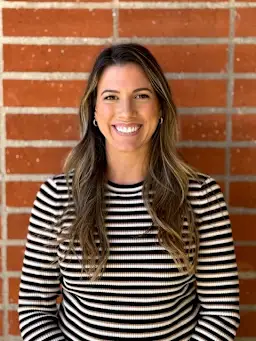
Mrs. Jaclyn Gonzalez: Start Early and Stay Organized
Mrs. Jaclyn Gonzalez said students should not wait until senior year to start thinking about their future.
“It’s never too early to start thinking about your future!” Gonzalez said.
She encouraged students to use the support they have at CMHS, ask questions, try different things, and stay organized. Mrs. Gonzalez also said that students who already know what they want to do should continue looking into their options, while students who are unsure can start by thinking about their strengths, interests, and the things they enjoy. She also recommended using CCGI to look into different careers and learn about the steps needed to get there.
For seniors applying to four-year colleges, Mrs. Gonzalez said it is important to keep track of activities, accomplishments, and experiences from high school. These can be helpful when filling out applications.
She also advised students not to rush through their PIQs or personal statements. Giving themselves enough time to come up with ideas, write, and make changes can make the process easier.
“Remember, you don’t have to have everything figured out at once,” Gonzalez said. “Start where you are, ask for help, and take it one step at a time.”
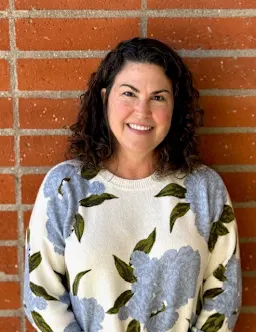
Mrs. Janice Duzey: Keep Track of What You Do
Mrs. Duzey believes college preparation should start before junior or senior year. She recommended that students begin keeping track of their accomplishments as early as freshman year.
This includes saving information about awards, jobs, community service, and other activities. Having this information saved can make college applications easier later because students will already have a record of what they have done. By junior and senior year, Dicey recommended that students start putting together a resume and applying to several different schools. She suggested having around 10 to 12 colleges on a list, with a combination of reach schools and safety schools.
Mrs. Duzey also explained that getting accepted into a school does not necessarily mean it is the school a student should choose. There are several things to think about, including the cost, location, major, and whether the school feels like a good fit. She advised students to wait until they have heard back from their different schools before making a final decision. One school might accept a student first, but another school could end up being a better choice once all the options are available.
Mrs. Duzey suggested making a personal list of what matters most in a college and comparing schools based on those things. She also recommended talking to adults and people who have already graduated to hear about their experiences.
When it comes time to make the final decision, Mrs. Duzey said students should think about more than just the facts. They should also pay attention to how they feel about each choice.
Advice from the Counselors
Each counselor had their own advice, but one idea came up throughout the interviews: students should take their time and find what works for them. There is no single path that every CMHS student has to follow after graduation. Some students may go straight to a university, while others may choose community college, an apprenticeship, the military, or work. For students who are still unsure, that does not mean they are behind. High school is also a time to try different things, ask questions, and figure out what they enjoy. With college applications and future plans approaching, the counselors encourage students to use the resources at CMHS, stay organized, and ask for help when they need it.