Introduction
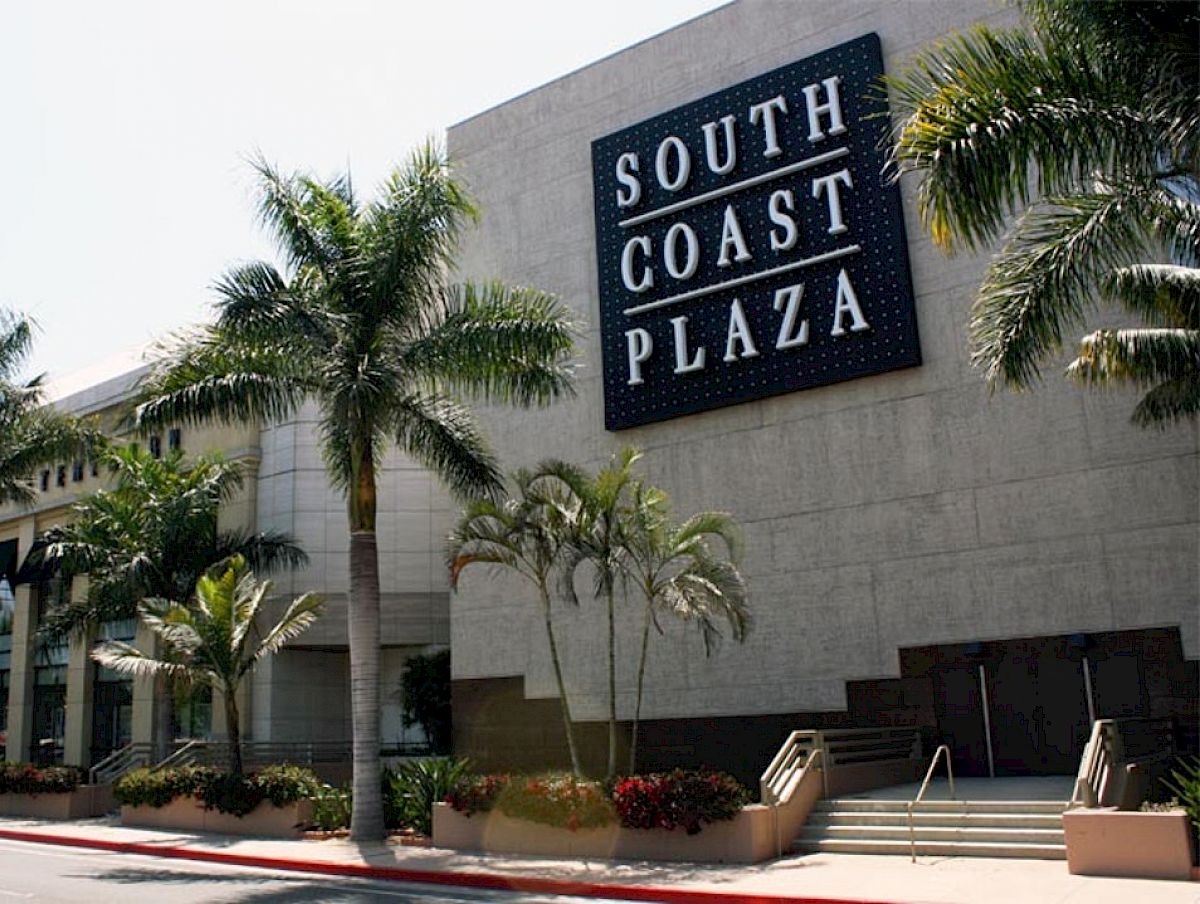
South Coast Plaza originally was built in the small, rural farming land of the Segerstrom family’s agricultural property. Originally the family arrived in 1898, and much of Costa Mesa wouldn’t be the same without them.
History of Costa Mesa
Originally inhabited by Native Americans, they settled on an area apart of a village called Lukup. In a famous memoir by Richard Henry Dana, “Two Years Before the Mast,” cattle farmers would use Costa Mesa for their cattle to graze. Later, in 1889, a little town called Harper, named after a rancher, started on the side of the Newport and Santa Ana railroad. In 1909, the city’s first post office opened, residing inside the city’s first business, Ozment’s General Store. On May 11, 1920, the city of Harper changed its name to Costa Mesa, which means coastal tableland in Spanish. Continuing as a small agricultural town, up until the Great Depression when the town was rebuilt and started focusing on industry and the arts.
History of Segerstrom Family
Arriving in 1898 Orange County, building a large farming operation. In the early 1960s, Henry Segerstrom and his family started to notice that Costa Mesa was evolving, and that the land once used for agriculture could be used for something more valuable. Henry Segerstrom proposed a massive mall in an area of relatively undeveloped land in early 1960s.
South Coast Plaza Expansion
Starting on a plot of land originally used for Lima Beans, while initially shrouded by lots of skepticism. In 1965, the first stages of development and construction began. In February 21, 1966, the first anchor store, May Company, opened ahead of the rest of the mall. March 15th, 1967, the rest of the mall along with the 2nd anchor store opened to the public. With rapid success and the rapid growth of the surrounding area, in 1973, a new wing was introduced with a Bullock’s department store and about 60 new additional stores. Additionally, the Segerstroms developed South Coast Plaza Village across Sunflower Avenue, adding another 45 stores. In early 1975, they started shifting towards intentional high-end luxury goods, attracting international customers and fashion brands. In 1986, South Coast Plaza added a separate Crystal Court, containing about 60 stores with 2 additional anchor stores.
Nordstrom also expanded its store to around 235,000 square feet, which at the time was the company’s largest location.
By about 2002, the store had an annual 1 billion dollars in sales, rapidly growing along the years too. What started as a small, suburban mall made in a lima bean farm has became an international destination for fashion collectors and brands alike.
South Coast Plaza Today
Today South Coast Plaza runs across roughly 2.8 million square feet and is anchored by Macy’s, Nordstrom, and Bloomingdale’s, with more than 250 boutiques and 30 restaurants. In 2002, the center passed a major milestone, surpassing $1 billion in annual sales revenue for the first time at its 35th anniversary. That number has kept climbing dramatically since: South Coast Plaza saw a record $2.4 billion in annual sales during the 12 months ending June 30, coming in at No. 1 on the Business Journal’s list of largest shopping centers in Orange County, and the Costa Mesa center made up 25% of the total revenue on that list. orange county business journal features south coast plazas new stores and holiday decor +3
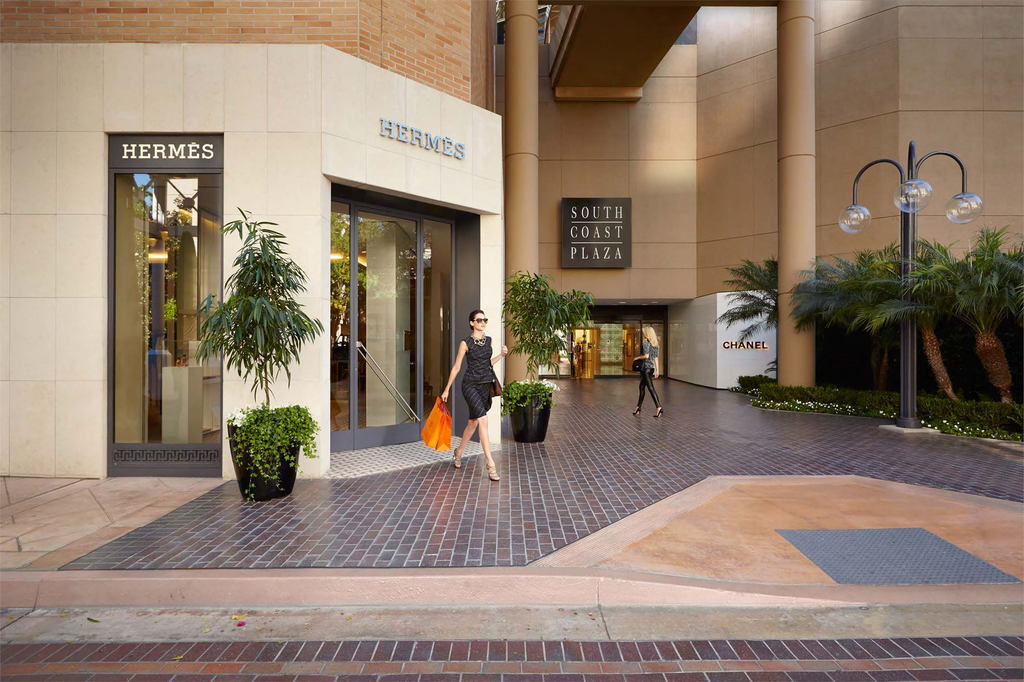
The mall has become internationally known as a luxury destination. Approximately 30 new stores opened at South Coast Plaza in one recent year alone, including remodels and relocations, with there being at least 30 different luxury jewelry and timepiece boutiques under its roof. Shoppers come from locally as well as internationally…all the way from the Middle East and Mexico City, according to the mall’s marketing director. Brands like Louis Vuitton and Gucci have opened second, dedicated stores within the shopping center to meet demand.
South Coast Plaza draws about 24 million visitors a year, and is still privately owned by the Segerstrom family. However, the old Sears department store space has remained vacant for years, even in this thriving mall. What does this say about the reality of department store space in a world that is doing more of its shopping by mail?