Introduction
Almost 2 weeks ago, on Monday, Columbia was hit by a colossal 7.4 earthquake, the second strongest in its history, only shadowed by the monstrous 8.8 magnitude earthquake off the coast of Ecuador in 1906. Experts say it crippled the infrastructure in Columbia with 280 confirmed people killed and hundreds more missing. However, was this earthquake completely out of surprise? Have earthquakes become more common?
Columbia’s Earthquake
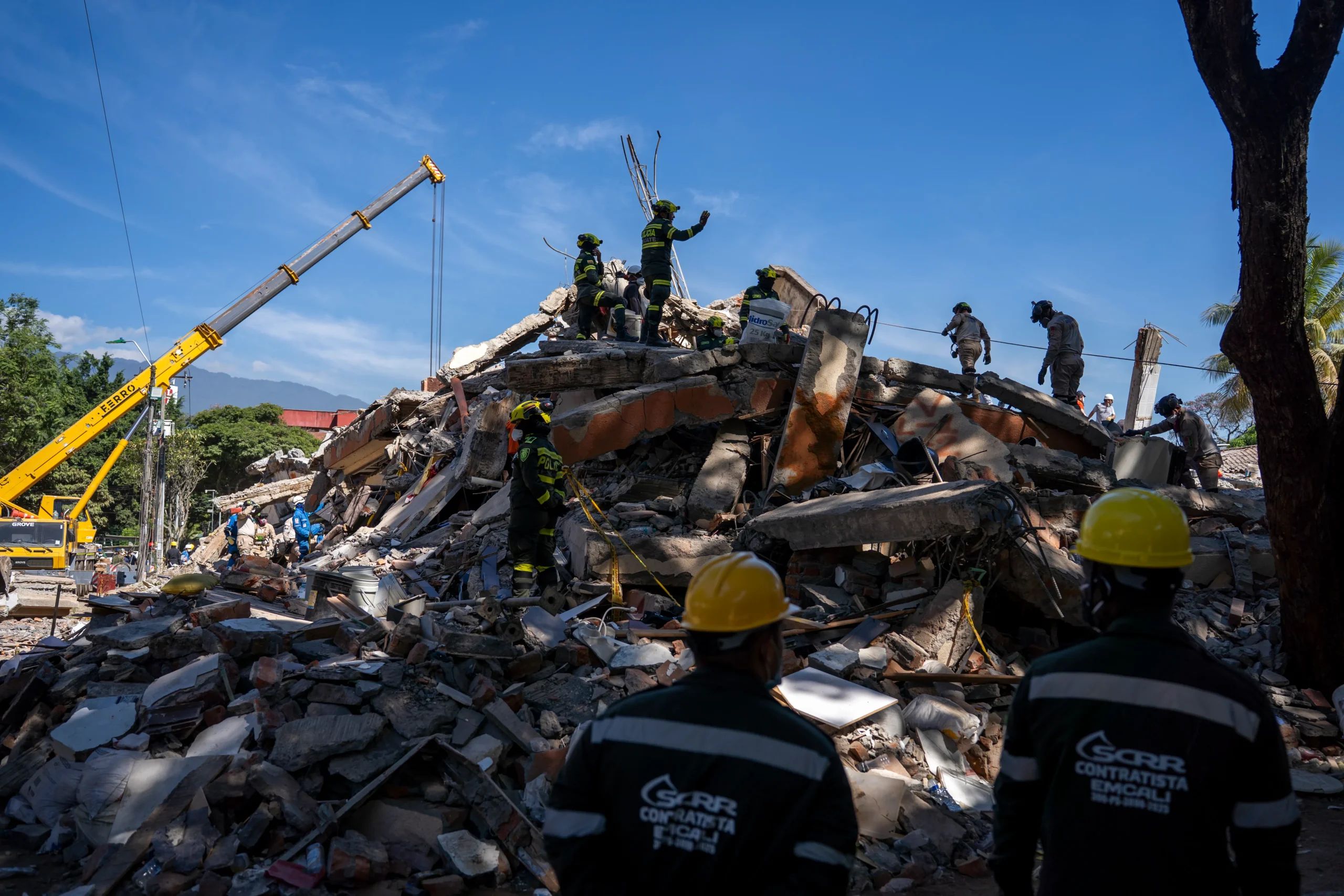
August 10th, 2026, 07:34 AM. Near the village of San José del Palmar, in the Chocó province, residents woke up to a massive 7.4 magnitude earthquake, shaking buildings, houses, etc, for hundreds of miles. While hard to measure, experts say that the earthquake lasted around two to three minutes. Over 140,000 buildings are damaged, tens of thousands of homes destroyed, thousands of people injured, and hundreds more lives claimed, or missing. While the most powerful part of the earthquake hit the small village, most of the fatalities were from cities. Cali was impacted the most, with additional regional airports such as the Matecaña International Airport in Pereira, where the airport partially collapsed, crippling the regional/national air link. However, the devastation did not stop after the earthquake ended. Aftershocks, which come after large earthquakes, still shock the region. Hundreds of families, now without homes, faced the crisis of where to stay. Businesses that people depended on, that people worked at, now gone.
Venezuela’s Earthquakes
However, Columbia’s earthquakes weren’t completely out of the ordinary. Columbia is along the San Sebastián fault, part of the active fault system where the Caribbean and South American tectonic plates interact. Venezuela is historically known for being earthquake prone. Only a few weeks before the earthquakes in Columbia, massive 7.2 and 7.5 earthquakes rocked Venezuela, with some parts of Columbia also hit.
How do Earthquakes Work?
The Earth is divided into large pieces called tectonic plates, which move around and can create valleys or canyons, but also can create mountains and cliffs. However, as tectonic plates move around, they can get stuck in cracks, causing faults. Pressure builds up, and eventually the plate gets unstuck, causing a massive earthquake. If an earthquake occurs underwater, it can cause a tsunami.
Have Earthquakes Been More Common?
On a global scale, no. About 15 magnitude-seven earthquakes hit per year on average. So far, there have been eleven as of August. However, it is notable that several of these earthquakes have hit relatively close to each other. While earthquake clusters can happen naturally, each of these earthquakes have occurred in different tectonic settings.
Venezuela: 7.2 and 7.5 in June
Mexico: 7.3 in July
Colombia: 7.4 in August
Indonesia: 7.7 in August