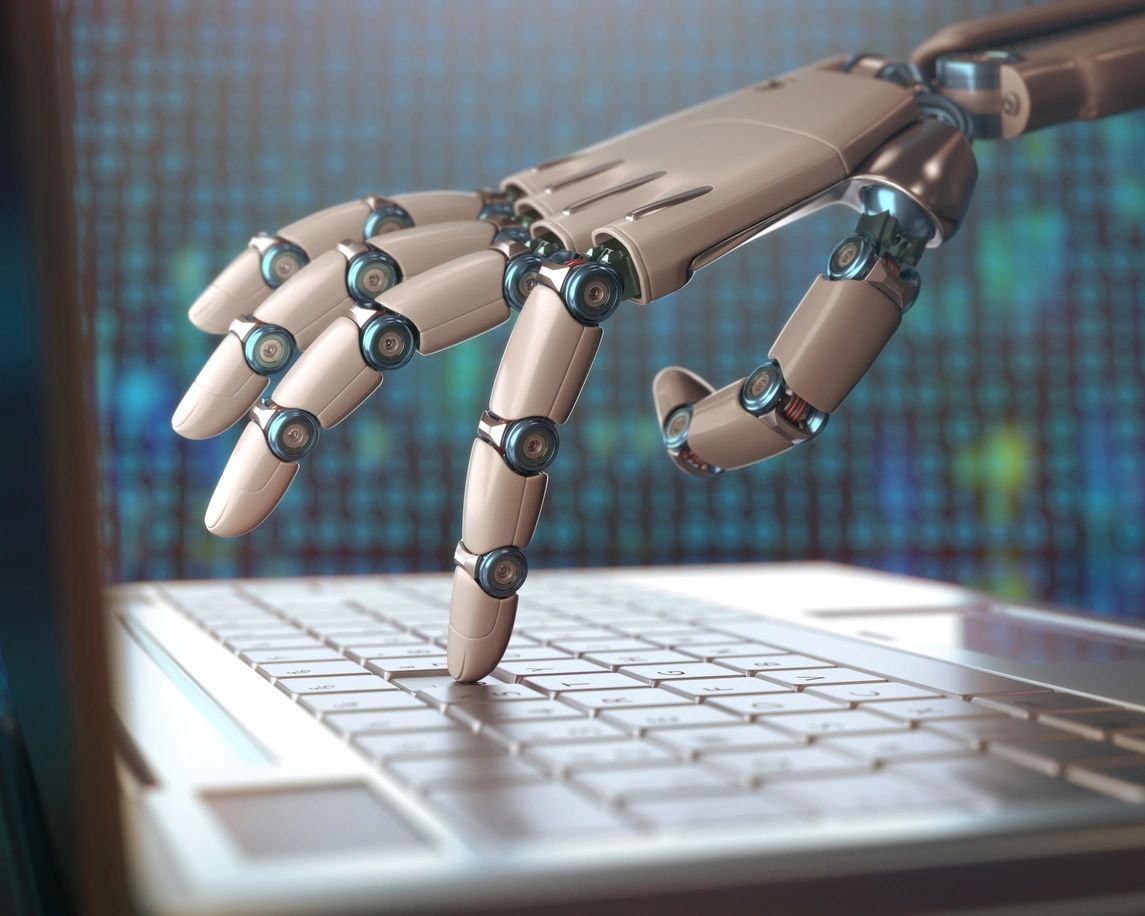
Artificial intelligence (AI) in classrooms has people feeling mixed emotions about the benefits and risks of using it in schools. Some people believe that AI can make learning easier and help students succeed, while others worry that students might become too dependent on it. AI can be helpful for certain tasks, questions, and assignments. It is changing how teachers plan lessons and how students learn and grow. Schools must figure out how to use AI in ways that help students learn without taking away their ability to think independently.
According to the University of Kansas School of Education and Human Sciences (https://educationonline.ku.edu/community/ai-machine-learning-k12-education), about 60% of teachers use AI to draft lesson plans, create quizzes, and adapt materials for different reading levels. Also, up to 70% of teens use generative AI tools to brainstorm ideas, check their work, or find answers to homework questions.
These tools can save time and make learning more accessible for students who need extra help. For example, students can ask AI to explain a difficult topic in simpler words or provide examples to help them understand a lesson. Teachers can also use AI to create different activities that match their students’ learning needs. I asked Mrs. Cottriel for her take on this, and she said, “I use AI as a brainstorming partner to develop creative, engaging lessons and activities that meet my students’ different learning needs. It helps me explore new ideas, differentiate assignments, and refine my teaching strategies. AI doesn’t replace my creativity or professional judgment; it helps me build on my ideas and become a more effective teacher.”
This can make the classroom more helpful and organized for both teachers and students. However, there are also risks that come with using AI in schools. One major concern is that students might rely on it too much instead of completing their own work. If students use AI to answer every question, they may not develop important skills such as problem solving, critical thinking, and writing.
Although AI can provide information quickly, students still need to put in their own effort to understand what they are learning. I asked one of our administrators, Mr. Waldram, about this topic, and he said, “Understanding and navigating AI is a critical skill for students to learn. At Mesa, our academic honesty policy states, ‘… using AI-powered digital tools to generate content that is presented as original work is a form of plagiarism.’ While AI can help enhance student learning, it must be used ethically and should never replace original student thought and creativity.” —Mr. Waldram, Assistant Principal
The following excerpt is from the 2026–27 Parent and Student Handbook:
Academic Honesty
Students are expected to do their own work in an honest and forthright manner. Looking at another student’s test paper, using cheat sheets, obtaining test answers, copying homework, and plagiarizing (copying from a book, magazine, a peer, or the internet) to complete an assignment or project are dishonest acts. Students who compromise their integrity in these ways will be subject to disciplinary action and may compromise their grade.
Additionally, using AI-powered digital tools to generate content that is presented as original work is a form of plagiarism. This includes having AI write essays, answer test questions, or paraphrase existing content without proper citation. Remember, schoolwork is about developing your own knowledge and critical thinking skills. If you’re unsure whether a particular use of AI is acceptable, consult your teacher before proceeding. More information regarding citation and appropriate use of AI can be found here: https://docs.google.com/document/d/1hurcOSKbUkFXkbvNPX82PbM_lvBhfUamh_z_WRiJR2s/edit?tab=t.0
Acceptable Uses:
- Brainstorming and idea generation.
- Exploring topics for deeper understanding.
- Creating outlines or plans for assignments (with disclosure if required by your teacher).
Unacceptable Uses:
- Using AI-generated content as your own work without acknowledgment.
- Submitting AI-produced responses on assessments or assignments meant to reflect your own understanding.
- Misrepresenting your AI-assisted work as entirely original.
Expectations for Students:
- Clearly acknowledge when you use AI tools in completing assignments.
- Demonstrate personal understanding and original thought in your submitted work.
- Ask your teachers if you’re unsure about appropriate AI use.
AI can also make mistakes and sometimes produce answers that sound convincing but are not correct. Because of this, students should always check information instead of automatically believing everything AI tells them. Teachers and school administrators are also working on rules to make sure AI is used safely and appropriately. Privacy is another important concern because students should know how their personal information is being used. Schools need to teach students how to use these tools responsibly and recognize when the information they receive might be incorrect or unfair. Students should understand that AI is meant to support their learning, not do all the work for them.
Overall, AI is already changing how schools teach lessons, support students, and use educational information. When used correctly, it can personalize learning, reduce teachers’ workloads, and give students more opportunities to understand difficult subjects. At the same time, schools must address concerns about privacy, accuracy, fairness, and overuse. AI can be a useful part of education as long as students and teachers use it responsibly. The goal should be to use technology to improve learning while still allowing students to develop their own knowledge, skills, and ideas.


