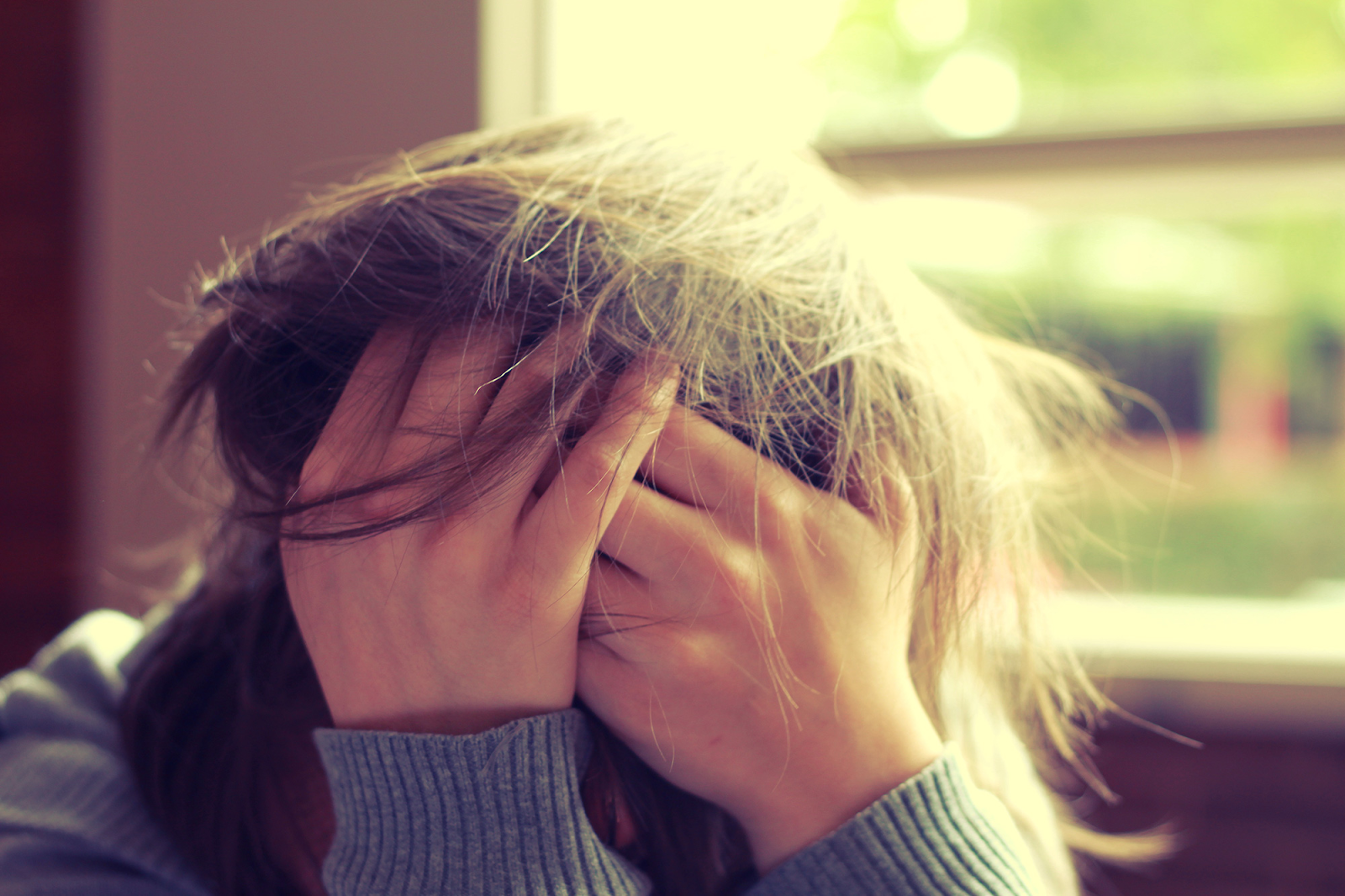
How would you feel if you were told you were suspended for bringing a beverage to school? How do you think that situation should be handled? Well, in this article from Lad Bible, this is what had exactly happened to a student one morning.
Student Julie Kaputa, at Beaver River Central School in Castorlord, New York, had entered her first period class on September 3rd. Her teacher saw the drink and told her, “I’m either going to need you to dump that out or consume it on the spot or go down to the office.” Julie was told the beverage violated school rules. She had opted to go to the office, where she then got in-school suspension (ISS). This meant Julie had to be removed from her class and to be supervised somewhere else as a consequence.
In the school’s policy, it is instructed that students are no longer allowed to bring in food or drinks from outside the school onto campus. It states it’s supposed to help and protect with other students’ allergies and for no distractions. Julie’s mother, MaryAnne, spoke out to this, saying this new rule was added last month but wasn’t publicly heard, so she and Julie had no awareness. MaryAnne made a post on Facebook informing what had happened. “I was called down to the school. Meeting minutes from both July and August were never published to the website until today when I pointed it out to the District Office, and the District Office had no record of a public hearing being conducted.” One superintendent in the district, Todd Green, said it was broad to be a public hearing but understands that it wasn’t sufficiently heard. He states that the public may not have realized they were able to speak on the Code of Conduct before it was taken by board.
The ISS had been changed to not be put on Julie’s record. The Board has set another public announcement later the day of September 14, and were to fix the admin detail for no further incidents.
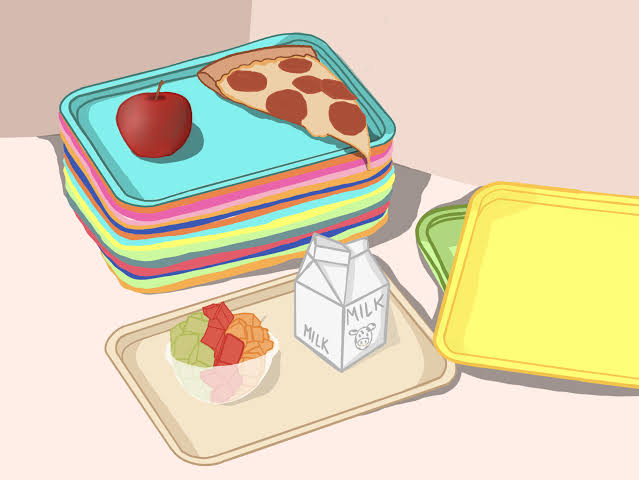
What do you think, Mesa? Should food and drinks be allowed on campus or not, and be taken this seriously? Here are some words from teachers and students about what they think of allowing food and drinks in classrooms.
Dr. Whitney: “Theoretically, I would be all for students being able to have food and drinks, during class. However, in reality, it becomes a distraction and a mess for the class. Students will pass the food around, and leave trash and food on the floor. Because of this, I will only allow water during class.”
Ms. Talmadge: “My personal class rule is that students are allowed to eat in class as long as it does not become disruptive or distracting to the students around them. I would rather a student satiated and ready to learn with all their needs met, than hungry and losing focus. I will ask students to put the food away if I notice its becoming too distracting. For the most part, as soon as I let students know my policy, they are able to demonstrate that they can have food out responsibly.”
Miguel Leon: “I think that eating in class can benefit and can help more kids stay on track without having to worry whether they will have time to eat.”
Olivia Padilla: “I think that eating in class is good because I think it would engage people in class if they had food in their system.”
While having food and drinks in class could cause a distraction from learning, there are reasons for why students eat in class. Firstly, students sometimes are rushed in the mornings and could never find time to eat. Most kids like to go grab a quick drink, like Starbucks and a little treat to start their day. People may have the need to want something to snack on in class as motivation to keep thriving and stay awake. Kids need the meal to have energy in class for the long hours, so they choose to do that in class though it could land them in trouble. Missing a meal before school or during could cause students to keep from focusing, it could be hard if it happens everyday that they don’t eat in the mornings that causes them to not have energy to keep focus or stay awake.
On the other hand, it could seem disrespectful to teachers. Teachers rather have no food in class to keep out bugs or a group of students wanting to share instead of learning. It could cause a mess, leaving behind crumbs that could cause trails of bugs, and most of the time students don’t pick up after themselves. It may sometimes be needed to keep food outside of class to help protect students’ allergies if severe. Some allergies are so severe that it needs to be completely kept outside of the room. This is also supposed to prevent cleanliness in the classroom and to keep every student focused. And in some cases, it could damage equipment and be unusable, or hard to clean. In certain classes, stickiness, crumbs or spills can ruin expensive equipment and technology. Otherwise, it makes students feel like they’re at home making messes, making learning hard. Food could make the learning environment hard if students just want to eat in class and not work.
In short, here are thoughts and sides of the story behind reasoning whether food and drinks should be allowed in classrooms. Students having food or drinks in class could have many reasons why they’re eating during learning, and sometimes teachers aren’t a fan. Do you think it was reasonable for Julie to be put on ISS for having a beverage? Are schools being too harsh sometimes?