Halloween is a yearly tradition celebrated on October 31. It is a favorite holiday for many people. Today, some people go door to door in costumes and receive candy, while others stay home to pass it out. There are other ways to celebrate, too. Some people go to costume parties or haunted houses, and others prefer to stay home, watch horror movies, and eat popcorn. Pumpkin patches, which often have petting zoos and other fun activities, are also popular.
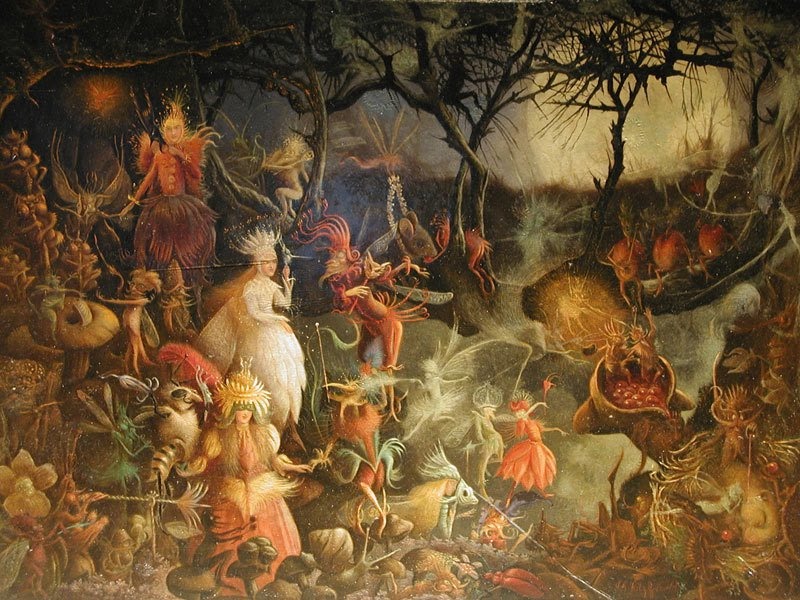
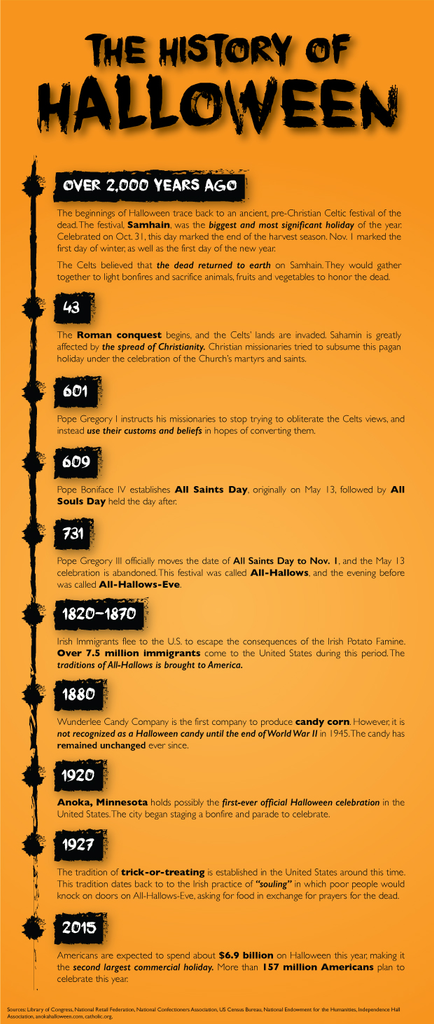
Halloween started about 2,000 years ago as the ancient Celtic festival of Samhain. It marked the end of the harvest and the start of winter, and it also honored the dead. The name “Halloween” is short for “All Hallows’ Eve,” meaning the evening before All Saints’ Day. The Celts believed the boundary between the living and the dead grew thin, allowing ghosts to return. To confuse or ward off these spirits, people lit bonfires and wore costumes.
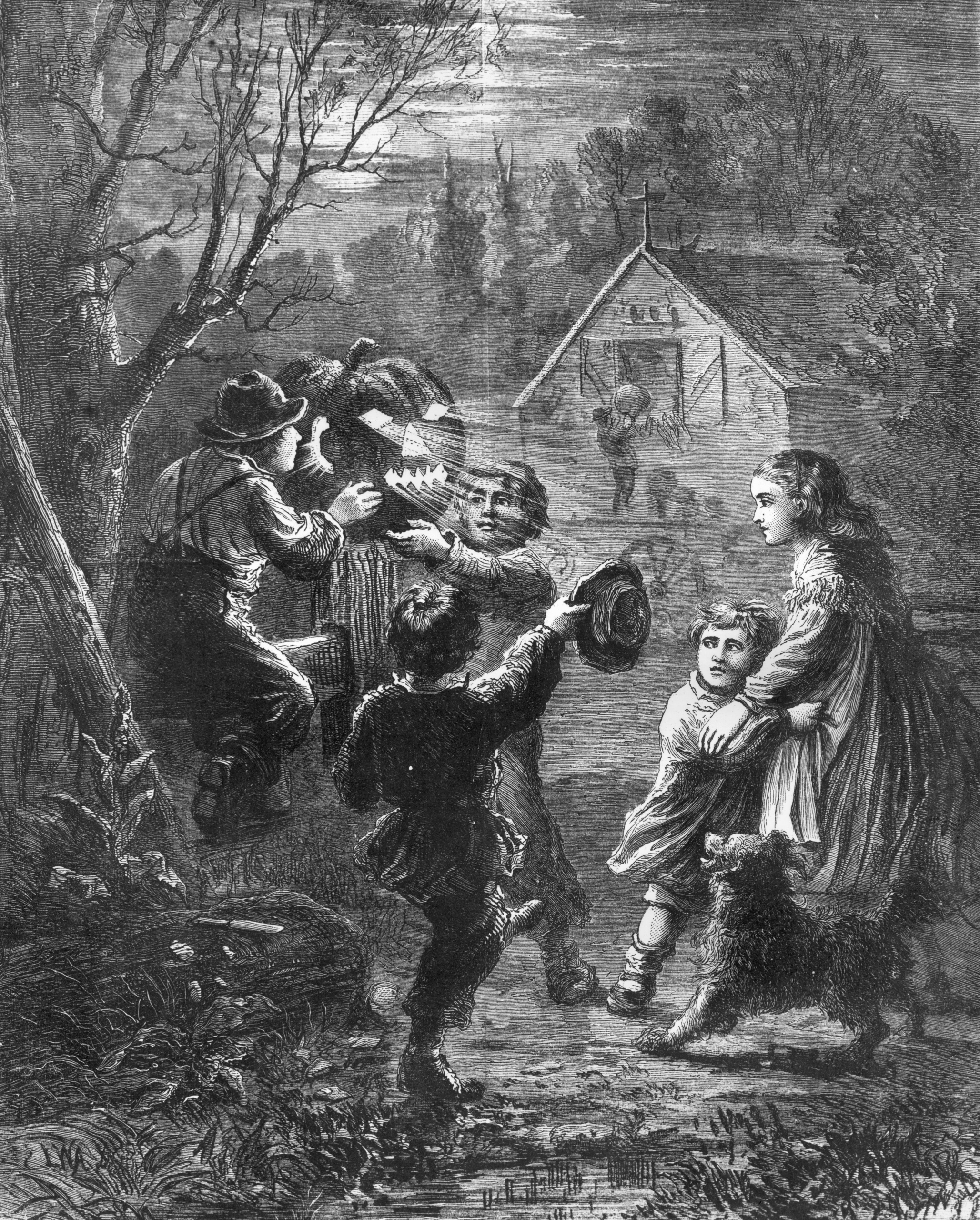
People in Ireland and Scotland carved scary faces into turnips, potatoes, and beets instead of pumpkins. Irish and Scottish immigrants brought some of these autumn traditions to North America in the 19th century. Today, people carve pumpkins and place candles inside them, and others just paint their pumpkins.
Not everyone celebrates Halloween. Some people choose not to for religious, cultural, or personal reasons. Some Christians, Muslims, and Orthodox Jews do not participate because Halloween highlights witchcraft, ghosts, and dark themes.
Trick-or-treating may have grown out of older practices in which people went door to door asking for food or offerings in exchange for prayers. One example is “souling,” in which people went door to door asking for soul cakes, which is similar to trick-or-treating. In the 1920s and 1930s, Halloween pranks became destructive vandalism in North American cities. Communities started hosting organized, kid-friendly parties and giving out candy to make the children behave. Trick-or-treating became popular in the 1950s. Before mass production, people handed out homemade treats and toys, but parents were suspicious of homemade or unbranded treats. As a result, more people started handing out branded candy instead, and candy companies began marketing it.
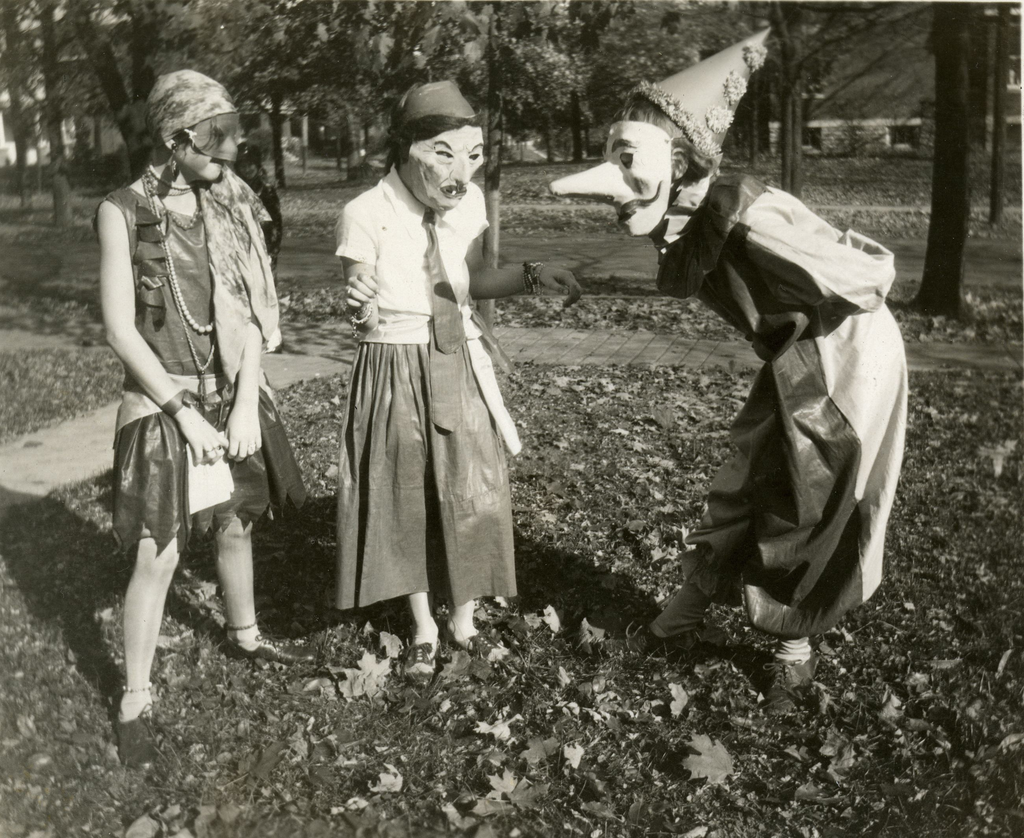
Many people love Halloween because they like to dress up. People also like to decorate their homes with spooky décor, such as fake spiderwebs, spiders, and skeletons. In addition, many amusement parks, like Disneyland, Universal, and Knott’s, decorate for Halloween, and Universal and Knott’s have scare actors. The popularity of trick-or-treating in the 1950s also shifted home décor from scary and spooky to more kid-friendly.
Halloween is very different now than it was 2,000 years ago. Today, it is all about dressing up in fun costumes, getting candy, going to Halloween events, and having fun, rather than dressing up to ward off spirits or marking the end of the harvest. Overall, I think many people enjoy Halloween because they like dressing up, getting scared, and getting candy.