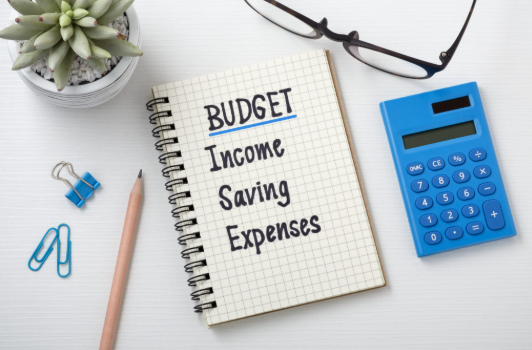
Senior year of high school used to require students to take one semester of Economics and one semester of Government. However, things have changed and schools are beginning to focus more on teaching students about personal finance.
Instead of taking a full semester of Economics, students may now spend about six weeks learning economics and eleven weeks learning personal finance. This change is important because financial literacy can help students become more prepared for life after high school.
A CMHS senior Lily Doidge said “I think the change from having just Econ to also personal finance is helpful because it can greatly help us after high school in my opinion more than Econ will.” Financial literacy teaches students important skills that they will need as adults. These skills include budgeting, saving money, investing, understanding credit, and borrowing responsibly. Many teenagers graduate high school without knowing how to manage a bank account, create a budget, or understand how loans and interest work. By adding more personal finance education to schools, students can learn these skills before they become responsible for their own finances.
Personal Finance can also be more useful to students because it connects directly to real-life situations. Economics can sometimes be difficult to understand because it involves complicated ideas about markets, businesses, and the economy. While economics is still important, students also need to understand how financial decisions will affect their everyday lives. Learning how to save for college, manage money from a job, avoid unnecessary debt, and plan for future expenses can help students make better decisions.
The need for financial literacy has become more recognized across the United States. In 202, only 23 states required students to take a financial literacy course to graduate. By 2026, that number had increased to 39 states. This shows that more states are recognizing the importance of teaching students about money before they enter adulthood. Schools have an opportunity to prepare students for responsibilities they will face after graduation instead of expecting them to learn everything on their own.
A teacher at CMHS, Mr.Taylor, was asked his opinion on teaching Finance.
Mr. Taylor: Part of the Economics curriculum focusses on personal finance, and this is the part that interests me the most. There were so many things I had to learn the hard way when it came to finances. Occasionally my mother would explain something to me, but this stuff wasn’t being taught to us in school, so I always felt somewhat confused. Financial mistakes are costly and can have lasting repercussions that could take years to bounce back from. So I really wanted to help seniors, who are on the verge of entering the “real world”, get prepared to understand how to navigate the world beyond high school. It’s super important to understand how to do things like establish credit, file your taxes, and save for retirement. The earlier you have a handle on this stuff the better prepared you will be for financial success. Adulting is hard, and life is expensive, especially here in Southern California. My hope is that I can provide students with a set of information, tools, and resources so that they can make their financial dreams a reality, and they can achieve the future they envision for themselves.
California has also taken steps toward making financial literacy a required part of education Assembly Bill 2927 requires public high school students to complete a personal financial literacy course in order to graduate. This means students will have more opportunities to learn about important financial topics while they are still in school. The goal is to give students knowledge that they can use throughout their lives.
Some schools are also working with outside organizations to make financial education more practical. For example, Costa Mesa High School has collaborated with organizations such as NuVision Credit Union to provide workshops about money and financial decisions. These workshops can give students real-world information and examples instead of only teaching financial concepts from a textbook. Adding financial literacy to high school education is a positive change because students need more than academic knowledge to succeed after graduation. Understanding how to budget, save, invest, and borrow responsibly can help young adults become more independent and confident with their money. By giving students these skills before they graduate, schools can better prepare them for college, careers, and the financial responsibilities of adulthood.