Iran, officially known as the Islamic Republic of Iran, and also known as Persia, is a geographically superior location with its land features essentially tuning it into a fortress.
History
In 1951, Iranian Prime Minister Mohammad Mosaddegh nationalized Iran’s oil which had been previously controlled by the British-owned Anglo-Iranian Oil Company (later called BP). In 1953, Operation Ajax, the United States’ CIA and British Intelligence helped to overthrow restore power to Shah Mohammad Reza Pahlavi, who maintained a Pro-Western alignment. However, many citizens saw this coup as foreign interference, creating long-lasting resentment to Western countries and ideas.
In 1979, protests and unrest led to the Shah to be forced out of power, with Iran then becoming an Islamic Republic. This new government strongly opposed and rejected US and Western influence, causing a further gap between the two countries.
Later that year, Iranian students from the University of Tehran, the capital of Iran, stormed the U.S. embassy, holding 52 Americans hostages for 444 days. This led to the U.S. and Iran to cut diplomatic ties, causing relations to become hostile.
From 1980-1988, Iraq invaded Iran, lasting 8 years and killing hundreds of thousands of innocent civilians. While the U.S. did not directly fight Iran, they rather supported Iraq with intelligence, weapons, and money. This further cemented Iran’s anti-Western stance.
In 2015, after the recent years of Iran increasing it’s nuclear program and capibilites, Iran and other world powers sign a nuclear deal where their nuclear program is limited if not canceled.
Later in 2018, President Donald Trump withdrawls from this deal, reimposing heavy sanctions on the already economically weak country.
Turning Point
In January 2020, the U.S. launched a drone strike in Baghdad killing Iranian general Qasem Soleimani, who was Iran’s most powerful military leaders at the time. Aimed to disrupt imminent attack plans on American personnel, Iran saw it as a major act of aggression.
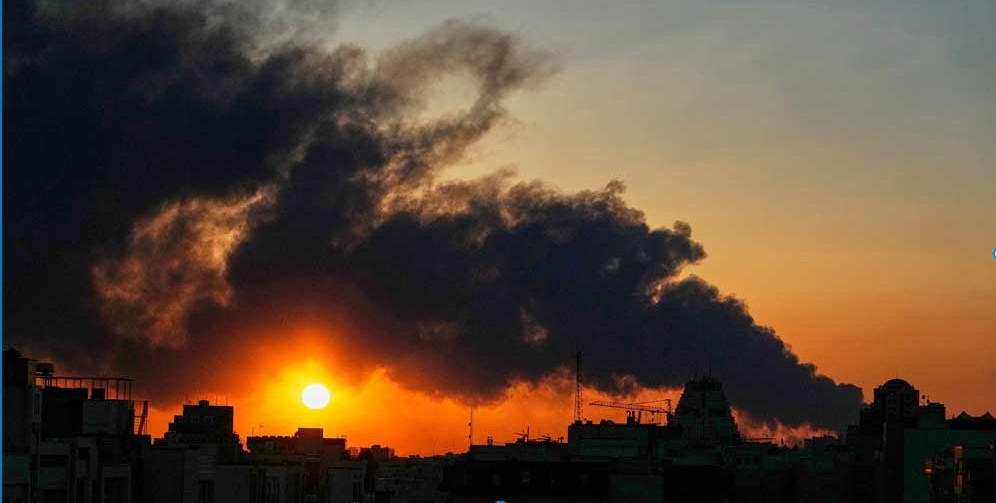
In 2025, after direct strikes on Iranian targets and allies in the region, Iran launched large amounts of drones and missiles to places including but not limited to: United Arab Emirates (including areas around Dubai), Saudi Arabia, Kuwait, Qatar, Bahrain, Iraq, Israel.
While many drones and missiles were intercepted, some caused damage to infrastructure, disrupted airports, and affected economic cores such as Dubai. Gulf states increased military readiness, while international trade and oil markets were disrupted due to fears of further escalation.
As you can see, the country has faced decades of tension and conflict. It remains to be seen whether the tide will turn towards peace, or if the pattern of unrest will continue.