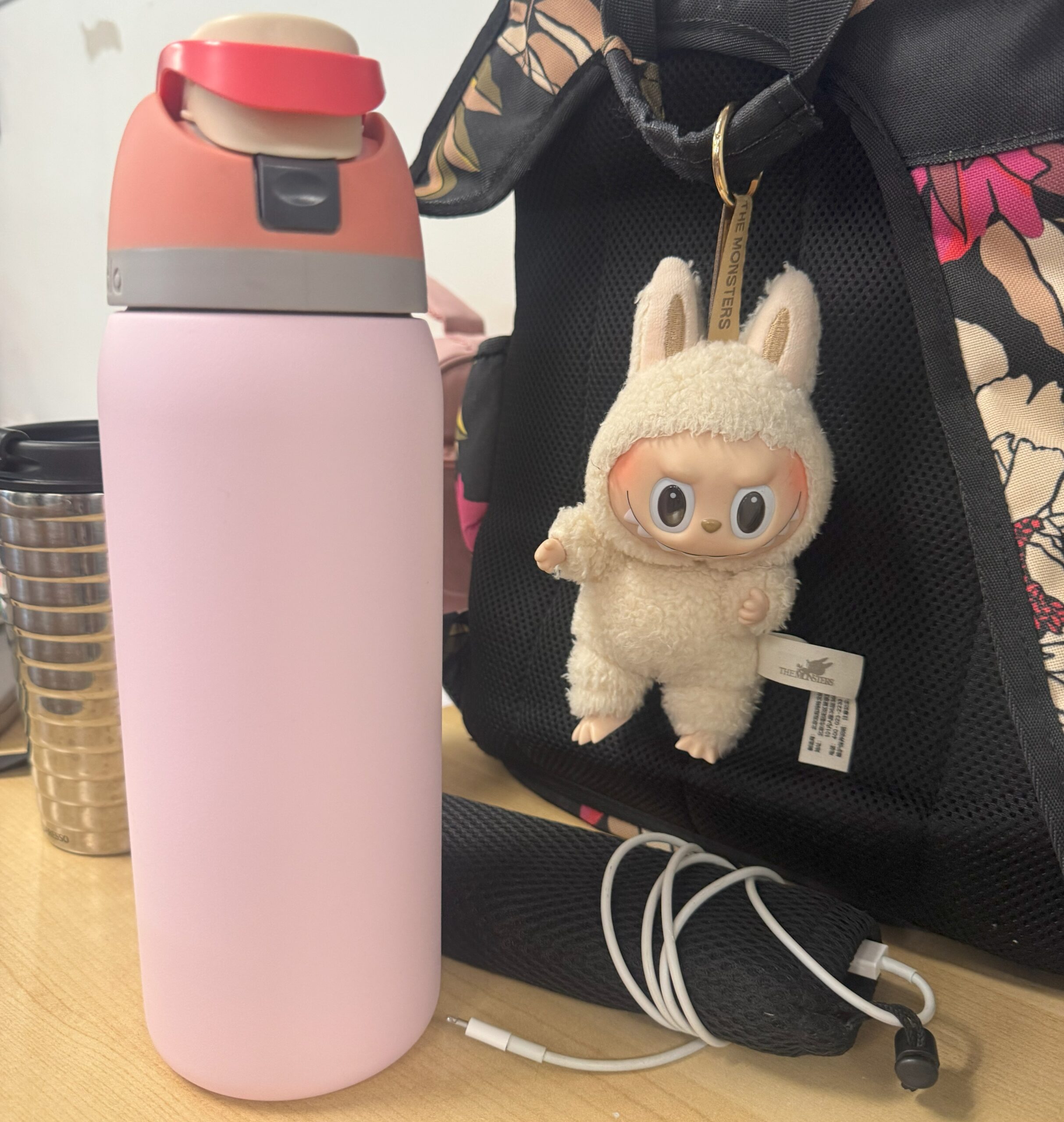
You might have seen them clipped to backpacks as you walk around campus…the fuzzy, odd looking little creatures with angry eyes and pointy teeth. This is Labubu, the latest collectible that seems to have taken off across America.
Labubu was created by Hong Kong-based artist Kasing Lung in 2015 as part of his “The Monsters” art series. Lung said the creation was inspired by the Nordic fairy tales from his childhood and “embodies a blend of good intentions and playful chaos.”
The real breakthrough in Labubu popularity came when major collectible toy company Pop Mart acquired and began mass-producing the figures in 2019. The craze exploded in 2023 and 2024, especially when social media influencers and celebrities began showcasing their collections online. They had become not only a weird fuzzy little elf; they were now a must have status symbol.
The Cost of Obsession
Here’s where things get interesting – and expensive. A single blind box Labubu figure typically costs between $15-30, but the real appeal lies in the mystery. Each box contains a random figure from a series, creating an addictive gambling-like experience for collectors. Some rare “chase” figures can sell for hundreds or even thousands of dollars on secondary markets.
Limited edition releases and collaborations with fashion brands (like Marc Jacobs or designer Dua Lipa) have pushed prices even higher. A special Labubu bag might retail for $300, while exclusive figurines from pop-up events can command four-figure price tags. Whether you are funding Labubu purchases with your part-time job or your savings, collecting Labubu can quickly become a serious financial commitment.
Mrs. Swanek’s Labubu Story
Costa Mesa Middle School counselor Mrs. Swanek has taken part in the Labubu excitement with her family. Here is her take on the Labubu phenomenon:
“I like Labubus in part because they look like my super adorable dog, which some people insist is funny looking. I found out about them this summer. My daughter is going into fifth grade, and several of her friends were talking about them.”
“A quick internet search told me they were available at Pop Mart, and there’s one in Costa Mesa. I naïvely thought that we would swing by the store on our way to the beach and buy one for her and her friend. That’s when I learned that they’re nearly impossible to get. This made me want them even more. I went on their website and learned I could purchase them there at a certain time. I tried this too, with no luck.”
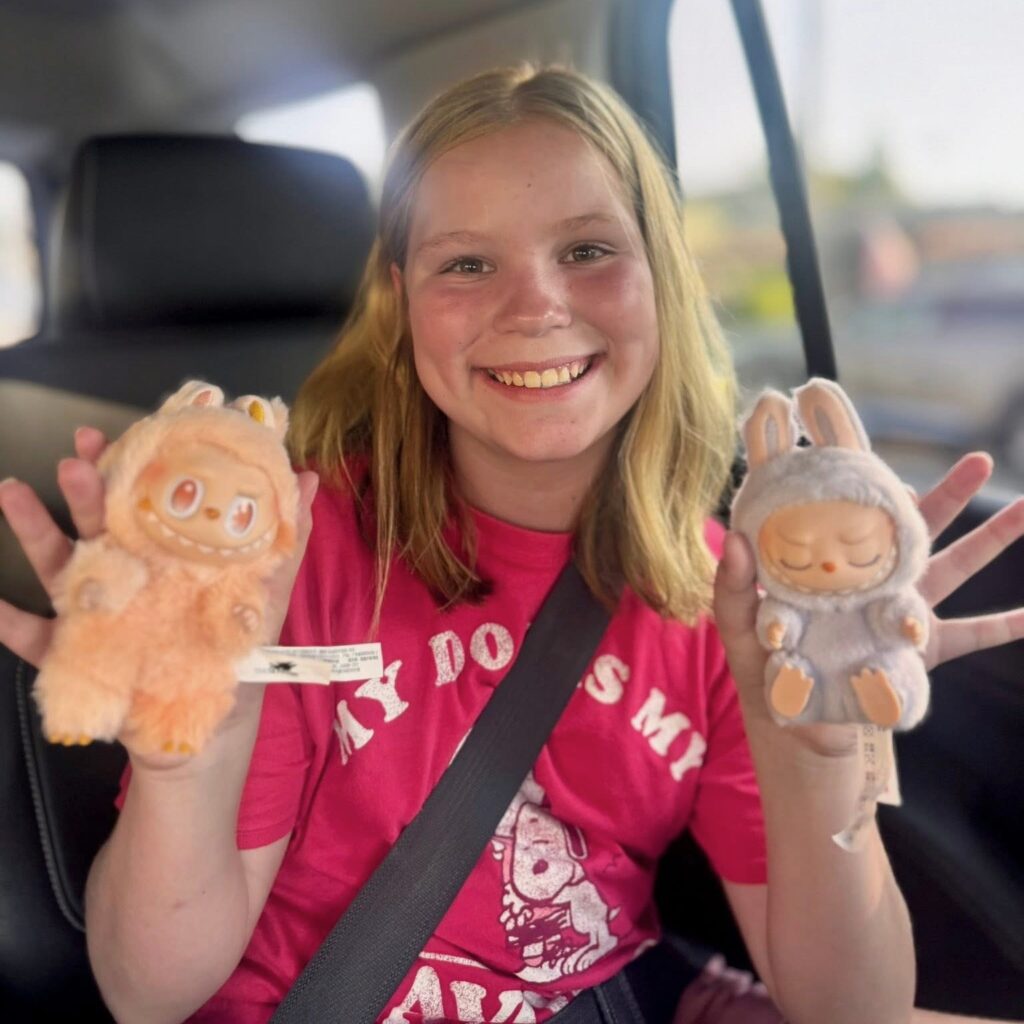
“Not only did they sell out right away, but even if I was lucky enough to purchase one, they take over a month to arrive because they come directly from China. This is when I remembered my children’s Godmother had posted a photo of one on her purse. I sent her a text and she explained that her sister tries to get the secret Labubu in each series, so she purchases them by the case, and then sells the ones she doesn’t want to friends and family at cost. What luck! Not only would I not be paying too much, but this would avoid me accidentally buying a Lafufu, since I was a newbie and couldn’t really tell the difference.”
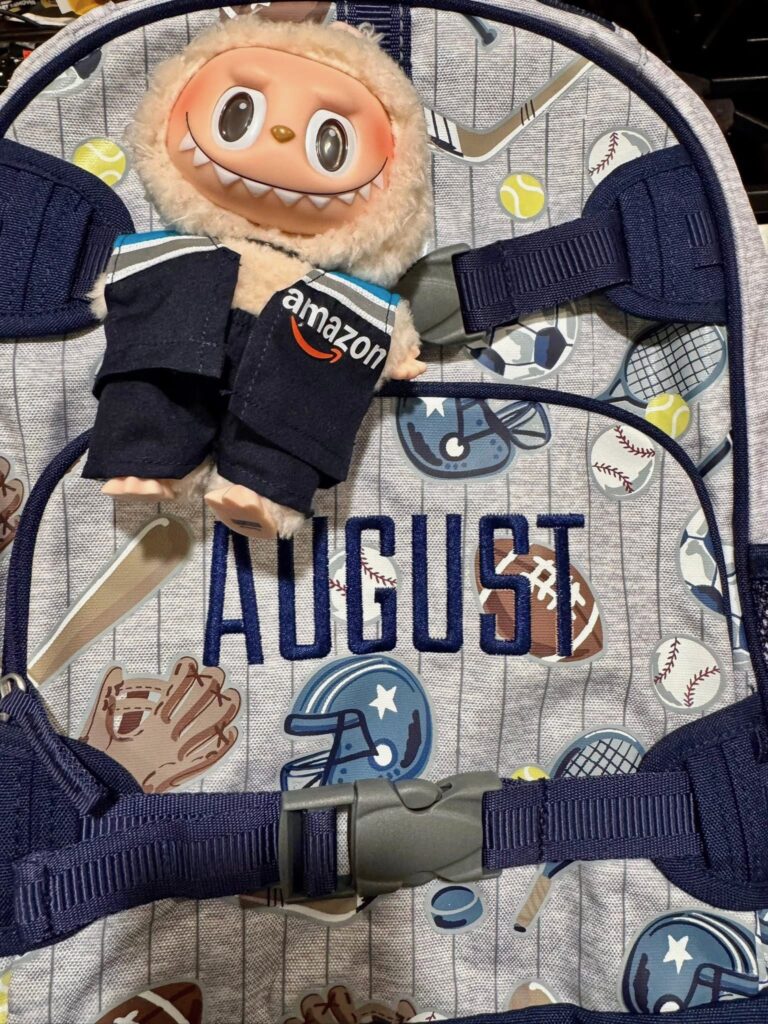
“This brings me to the second reason I like Labubus: they are hard to find. If every store had them, they wouldn’t be as special. I like having a connection, and the excitement of watching my kids unbox them, or knowing they can give them to their friends as birthday presents and it will be a hit.”
The Psychology of Popularity
Mrs. Swanek’s story highlights part of what makes Labubu so irresistible. Psychological research suggests that the blind box format triggers the “reward” centers in our brains, just like gambling on a slot machine. This creates a feeling of excitement and anticipation with each Labubu we acquire.
Another element is social media. So called “unboxing” videos on TikTok, YouTube, or Instagram can rack up millions of views and make Labubus seem like both entertainment and a must have accessory.
Fads of the Past
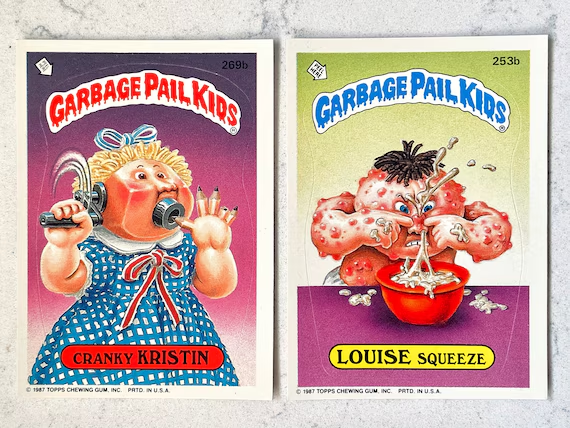
Let’s explore pre-Labubu territory. It seems like every decade a buying pattern emerges, driven by youth and centering around odd, collectible trinkets. When I was growing up in the 1980’s, we collected Garbage Pail Kids trading cards, which themselves had stemmed from the Cabbage Patch Kids craze. I remember adults telling us how weird and disturbing they were, but it didn’t stop the kids in my school from trading and collecting them. While individual cards were cheap ($0.25 – $0.50), a complete set could go for as much as $1,000 – $1,500, and that was in the 1980’s!
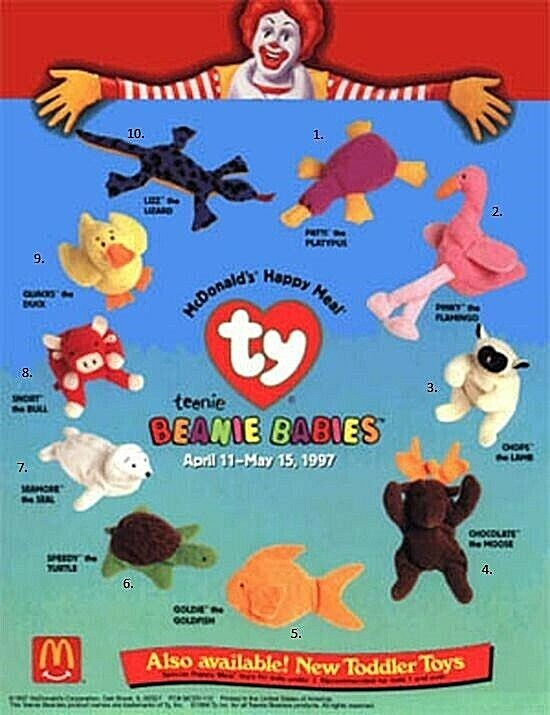
You have probably heard about the Beanie Babies craze in the 1990’s, and maybe your parents even collected them. McDonald’s got in on that one by producing “Teenie Beanies” and adding them to their Happy Meals in 1998, which led to a 10-day profit of $250 MILLION dollars as collectors rushed to the restaurants to try to acquire them.
In the 2000’s students were buying and trading Pokemon cards, while the 2010’s introduced Funko Pop figures. Each generation seems to have found its own collectible obsession, often featuring the thrill of the hunt for rare items.
A Lasting Trend or Passing Fad?
As with all collectible crazes, the question remains: how long will Labubu’s reign last? Industry experts predict the peak may have already passed, as newer trends begin emerging on social media. However, the core community of dedicated collectors seems likely to sustain interest for years to come.
As Mrs. Swanek said, “If fads from my childhood are any indicator, as soon as I amass a collection, they will no longer be the “it” thing to have. It’s only a matter of time until Labubus are just as cool as Lafufus and something new takes its place.”
For now, Labubu continues to adorn backpacks and purses, proving that sometimes the most unexpected things can capture our collective imagination.
What do you think about the Labubu trend? What will the next “fad” be? Comment here!